For many cyclists, this region is not just a destination for a cycling holiday, but a place where sport, tranquillity and quality of life come together naturally throughout the year.
Cycling on the Costa Blanca North thanks to the mild Mediterranean climate
With an average of more than 300 sunny days per year and mild winters, the Costa Blanca North offers conditions in which cycling becomes almost second nature. Especially outside the traditional summer season – from November to April – the climate is ideal for longer rides and regular training.
It is precisely during this period that many cyclists from Northern and Western Europe travel to southern Spain to remain active when conditions at home are less favourable. As a result, the winter and spring months have developed into an important cycling season in the region.
Moraira and its surroundings as a popular base for cycling holidays
Places such as Moraira, Benissa and Teulada are often mentioned as particularly pleasant bases for cycling holidays on the Costa Blanca North.
What characterises this region is the smooth transition from the coast to the inland areas. Within a short time, you cycle towards Benissa, Xaló, Alcalalí and the Vall de Laguar, where quiet roads, good asphalt and a varied landscape come together. This makes the area suitable for both recreational cyclists and more sportive riders.
Well-known cycling routes and climbs in the inland Costa Blanca
The inland area of the Costa Blanca North features several climbs that are internationally known among cycling enthusiasts. The Coll de Rates is the best-known example and is often used as a reference climb within training schedules.
Together with routes towards Jalón and the Vall de Laguar, this forms a network of climbs that is both accessible and challenging. The long, steady gradients make the region particularly suitable for structured training, but also for those who mainly cycle for enjoyment and scenery.
Calpe as the sporting hub within cycling tourism
Within the Costa Blanca North, Calpe plays a distinctly sporting role. The town has been geared towards cyclists and cycling travellers for many years and functions as a recognisable meeting place within international cycling tourism.
Calpe offers:
- specialised bike rental and repair services, aimed at longer stays and groups
- a lively cycling social culture, with cafés and meeting places where cyclists meet before and after their rides
Thanks to its direct access to well-known routes and climbs, Calpe is particularly suitable for those who wish to train more intensively, while the surrounding towns offer greater tranquillity and residential comfort.
Quiet roads and cyclist-friendly infrastructure
What distinguishes the Costa Blanca North from some other popular cycling regions is the relative calm on the roads, especially outside the high season. Outside the busiest coastal areas, traffic remains limited and motorists are accustomed to cyclists.
In addition, there is a clear cycling culture throughout the region, with cyclist-friendly cafés, service points and an international community of active visitors and residents. This ensures a relaxed and safe cycling experience.
Why cycling tourism also influences property use
Cycling tourism plays a role in how and when homes are used in various regions. This is also noticeable on the Costa Blanca North, particularly in combination with the mild climate and the pronounced off-season.
Sports tourists, including cyclists, generally travel outside the traditional summer season and often stay longer than sun-and-beach tourists. Analyses by Exceltur (an alliance of leading Spanish tourism companies) indicate that sports tourism contributes to longer stays and repeat visits outside the high season.
Figures from the Spanish National Statistics Institute (INE) further show that in provinces such as Alicante, property use is becoming less concentrated in the summer months, pointing to a broader spread throughout the year.
Quality of life on the Costa Blanca North, also beyond cycling
What characterises the Costa Blanca North is that cycling fits perfectly alongside other aspects of life. After a ride, gastronomy, tranquillity and nature follow naturally. Local markets, villages and restaurants are just as much part of the daily rhythm as sport and movement.
This makes the region attractive for active but relaxed winter stays, permanent residents and people who combine a second home with a relaxed, active lifestyle.
Conclusion
The Costa Blanca North has developed into a balanced and sustainable cycling region. With Calpe as the sporting hub and towns such as Moraira and Benissa offering quieter residential environments, the area provides a combination of cycling holidays, intensive training and relaxed winter living that appeals to an ever-growing audience.
For those who wish to combine cycling with tranquillity, nature and comfort, the Costa Blanca North is a region where sport and living complement each other naturally.
About us ☀️
For us, real estate in Spain is about more than just living. We guide clients who consciously choose a particular lifestyle, combined with a home that truly suits them.
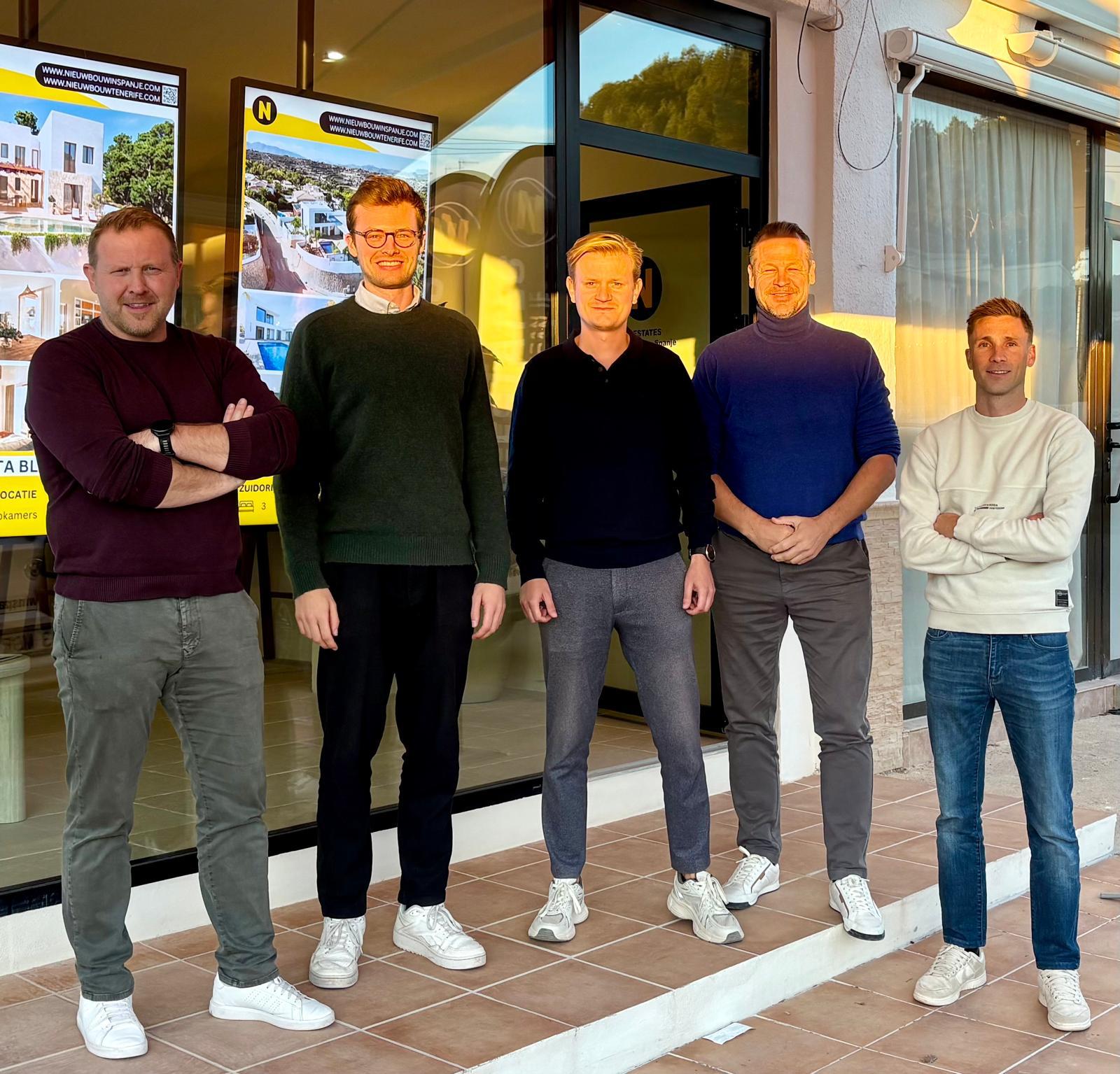
With offices in Antwerp, Knokke, Moraira and Tenerife, we stay close to our clients, both in Belgium and in Spain. Our Dutch-speaking regional managers live and work locally and know the area, daily life and the local property market inside out.
Further reading about living on the Costa Blanca North?
Those attracted to this region soon discover that places such as Moraira, Benissa, Calpe, Benidorm (Finestrat) and Jávea each have their own character, while sharing the same focus on quality of life, tranquillity and outdoor living.
In another blog post, we take a closer look at living in Calpe and why this town is so popular with people who want to combine an active lifestyle with comfort and conviviality.
👉 Read more about living in Calpe here.